
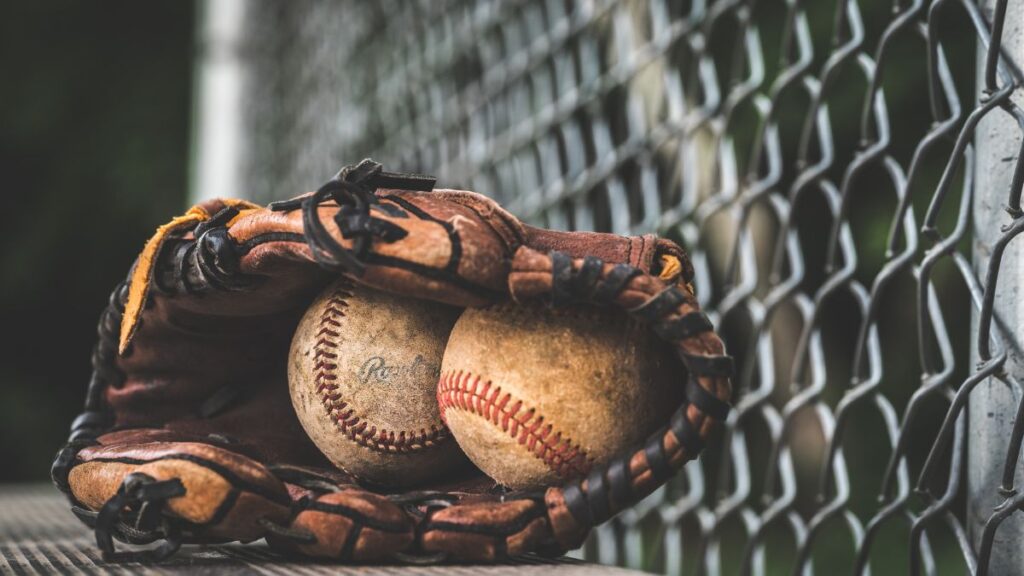
Baseball, a symphony of bat and ball, a timeless dance on the diamond, has captivated millions with its unique blend of strategy, skill, and the sheer joy of play. This beloved sport, often dubbed America’s pastime, has roots that run deep, intertwining with history and evolving from older bat-and-ball games. Its evolution is not just a tale of rules and equipment, but a vivid tapestry of cultural exchange and adaptation, capturing the hearts of generations.
Imagine, if you will, the bucolic fields of England in the early 18th century, where games like cricket and rounders were the joys of the common folk. It was here, amidst the green expanses, that the seeds of baseball were sown. Rounders, particularly, shares a striking resemblance to modern baseball, with its four bases (including the home plate) and the concept of striking a ball and running to safety. But, unlike the structured elegance of cricket, rounders was a game of the people – flexible, diverse in its play, and unburdened by overly rigid rules.
As the waves of British immigrants reached the shores of America, they brought with them their beloved bat-and-ball games. The American landscape, a melting pot of cultures and ideas, became the crucible for the evolution of these games. Different regions developed their own versions, with names as whimsical as their rules – town ball, stool ball, and the Massachusetts game. Each variant, a unique flavor in the rich stew of bat-and-ball games, contributed to the evolving game of baseball.
The real transformation, however, began in the mid-19th century, a pivotal era in baseball’s history. It was a time of codification, of turning the informal into the formal. The Knickerbocker Rules, introduced in 1845 by the New York Knickerbocker Baseball Club, were a landmark in this journey. These rules transformed the game from a casual pastime into a more standardized sport, introducing concepts like the diamond-shaped infield, foul lines, and the three-strike rule. Baseball was no longer just a game; it was becoming a sport with a distinct identity.
The evolution of baseball was not just confined to the rulebook. It was mirrored in society’s embrace of the game. From Civil War camps to the bustling cities of the Industrial Revolution, baseball became a unifying force, a source of community and camaraderie. It transcended social and economic boundaries, becoming a game for everyone.
The late 19th and early 20th centuries saw baseball’s ascent to the pinnacle of American sports. The establishment of professional leagues and the World Series brought a competitive edge and a national spotlight to the game. Legends like Babe Ruth and Jackie Robinson didn’t just play the game; they etched their names into the very soul of America, inspiring awe and admiration.
In its essence, the evolution of baseball from older bat-and-ball games is a narrative of transformation and resilience. It’s a story that reflects the shifting tides of history, the blending of cultures, and the unyielding spirit of play. Baseball is more than just a sport; it’s a chapter in the human story, a dance of bat and ball that continues to inspire and enthrall. As we sit in the stands or play in the fields, we are not just spectators or players; we are part of a legacy, a continuum of a game that has, and will continue to, stand the test of time.